Short on time?
Pick an AI to summarise this article:
Pick an AI to summarise this article:


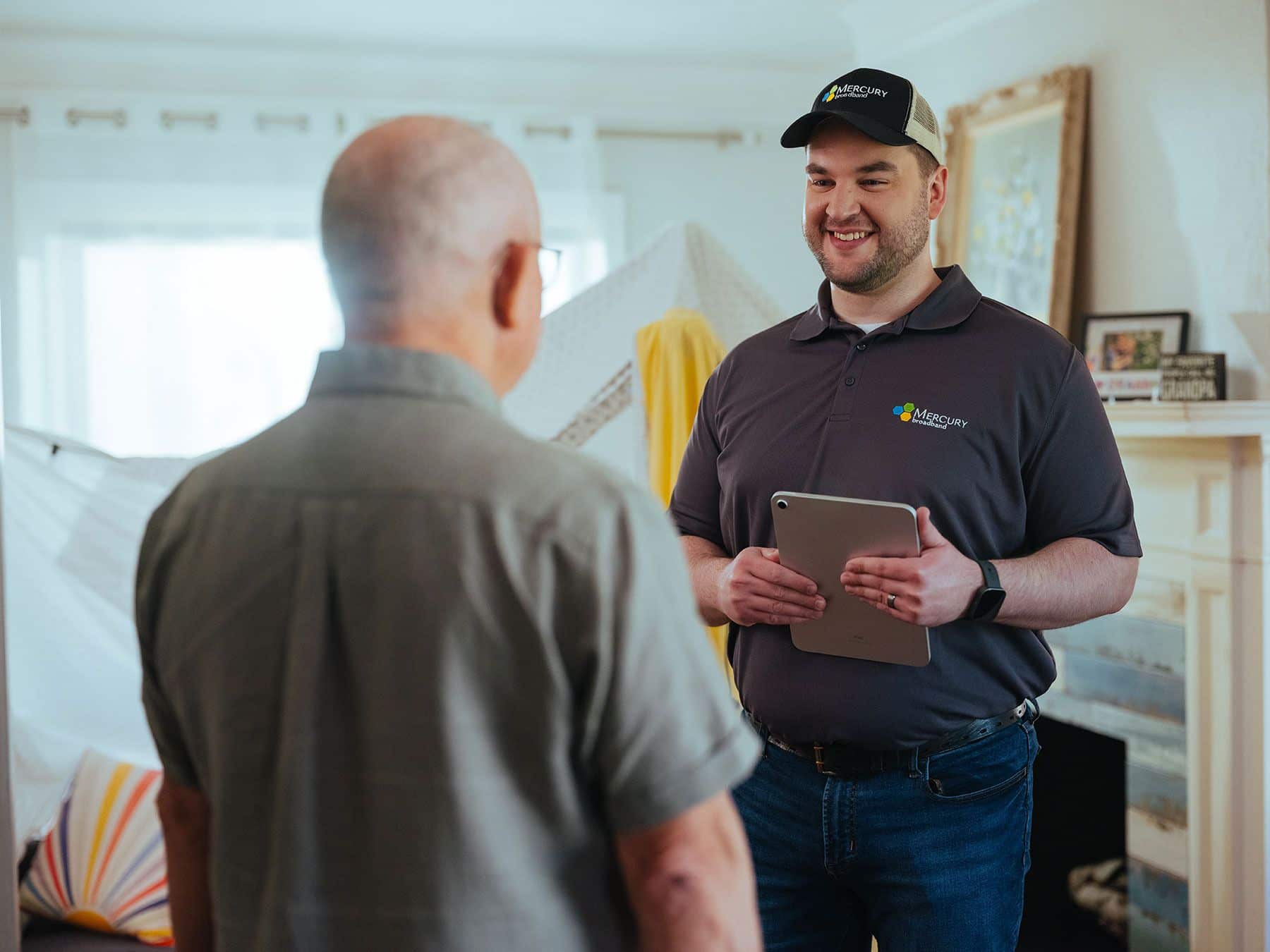
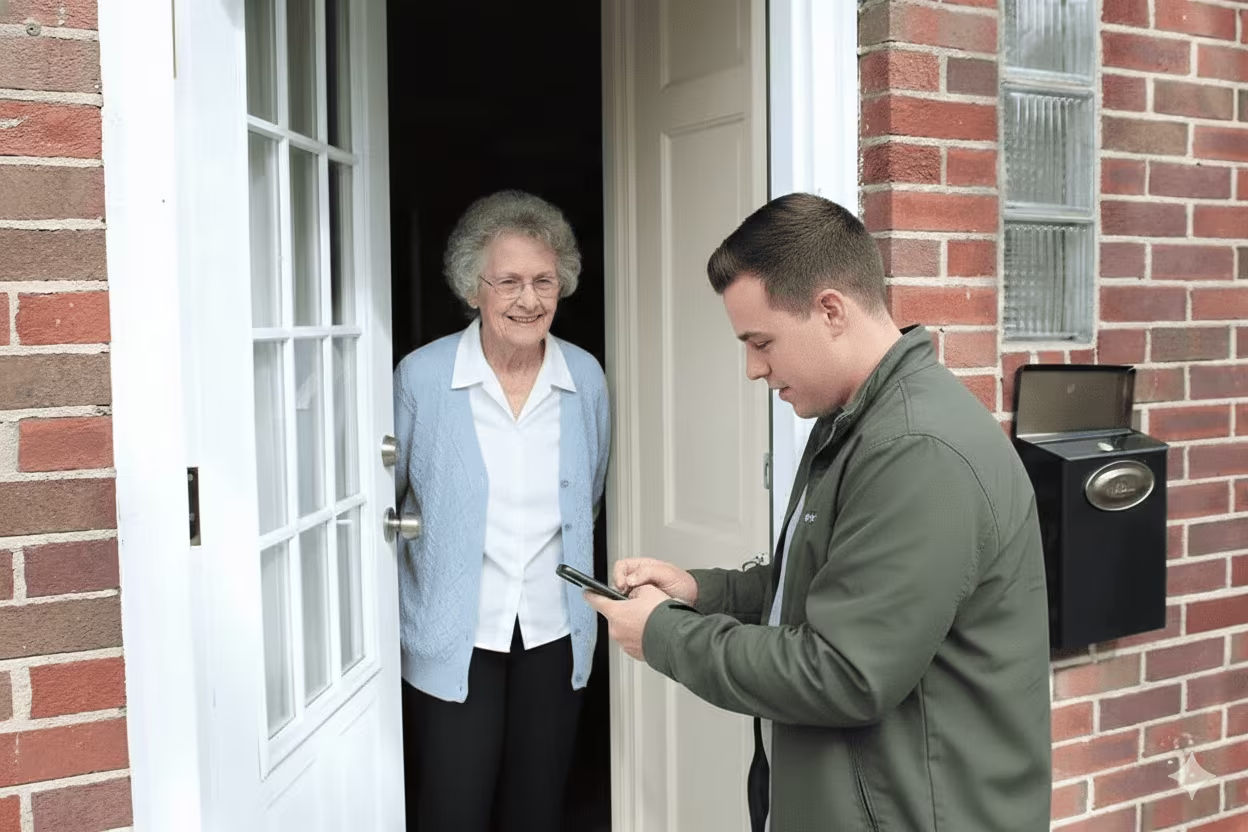
The door opens. You have about seven seconds before the homeowner decides whether to keep listening or politely close it in your face.
Most reps know this and freeze anyway. Not because they don't know the product, but because they don't have a reliable framework to fall back on when the pressure hits. So they over-talk, under-explain, or just wing it. And winging it doesn't scale.
A good door-to-door sales script isn't about memorizing lines. It's about having a structure that's consistent enough to measure and flexible enough to feel human. When you have that, every rep on your team can start strong, handle objections calmly, and move conversations forward regardless of experience level.
I've worked with field sales teams across telcom, solar, utilities, and home improvement, and the teams that consistently win aren't the ones with the best talkers. They're the ones with the best systems.
This guide covers what that looks like in practice.
Before we get into examples, it's worth understanding why most scripts fail. It's rarely the words themselves. It's that the script is built around what the rep wants to say, not what the prospect needs to hear in that moment.
When someone opens their front door to a stranger, they're not thinking about your product. They're running two quick checks: Is this person safe? And, Is this worth my time? Your opener needs to pass both tests before anything else matters.
The scripts that do that well share four things:
[Blockquote] The goal of a good opener is to earn 30 more seconds of a person’s time.
Get those 30 seconds, and you have a real conversation. That's where sales happen.
Every effective door-to-door script, regardless of industry, product, or territory, follows the same basic structure.
Five parts, in order:
I've seen teams transform their conversion rates just by getting consistent on this structure, not by changing their product messaging or hiring better reps, but simply by making sure everyone was running the same sequence in the same order.
It creates a common language between reps and managers, makes performance measurable, and allows for fast iteration. Something as small as tweaking the hook can shift conversion rates across an entire territory. Simple enough for a new rep to learn in a day, and structured enough for a manager to coach against.
The three examples below follow the five-part framework. Each one applies it differently depending on the industry and the hook. Read the commentary alongside the script, not just the words themselves. That's where the learning is.
Best for: broadband, fiber, telecoms
"Hi, I'm [Name] from [Company]. We're rolling out fiber across this street this month. I'm just checking which homes are eligible before the window closes. Quick question: are you currently happy with your broadband speeds?"
Why it works: The hook is hyper-local and time-bound, which makes it feel relevant rather than random. The rep is offering information that the prospect might actually want. And the qualifying question at the end is easy to answer honestly, which gets the conversation going without pressure.
That opener gets the door open. What you say once it's open—especially when you're asking someone to switch off a service they already have—is a different skill. See our guide to door-to-door telecom sales tactics for tailored pitch and objection frameworks.
Best for: solar, utilities, energy efficiency
"Hi, I'm [Name] with [Company]. Most homes on this block have seen their energy bills go up significantly in the last year. We've been helping people reduce that. Would it be worth a quick 20-second look at whether your home qualifies?"
Why it works: This one leads with a shared pain point most homeowners already feel. The phrase "most homes on this block" adds social proof without making a specific claim the rep can't back up. And framing the ask as a "20-second look" removes the psychological weight of saying yes. The close is directional, not pushy. The prospect feels in control, which is exactly where you want them.
Best for: home improvement, roofing, pest control
"Hi there. I'm [Name] from [Company]. We've been doing some work in the area and I noticed a few homes on this street that could benefit from what we're offering. I won't take more than a minute. Do you have a second?"
Why it works: The phrase "I noticed" does a lot of work here. It signals that the rep has paid attention to the specific street, not just knocked on every door in the postcode. That observation creates a moment of personal connection before the pitch begins.
Stating the time commitment upfront ("I won't take more than a minute") shows respect. Most homeowners who shut the door quickly do so because they're afraid of being trapped in a long conversation. Take that fear away early.
These aren't lines to memorize word for word. The structure is fixed: introduction, hook, qualifying question, benefit, directional close. But the language should sound like the rep delivering it. If a script feels unnatural to say out loud, it will sound unnatural at the door.
The best way to test a script is to run it in the field, log the outcomes, and adjust the hook based on what's working. A small tweak, like changing one word in the opener, or swapping the qualifying question, can meaningfully shift how many people stay in the conversation.
Political canvassing follows the same basic framework as commercial field sales, but the goal is fundamentally different. You're not closing a sale. You're identifying where someone stands, building a relationship with the electorate, and ultimately mobilizing support. The tone should feel like a conversation between neighbours, not a pitch.
That distinction matters for how you write and deliver the script. There's no urgency hook, no benefit statement, no directional close toward a purchase. The "close" here is engagement, leaving the voter feeling heard, not sold to.
"Hi, I'm [Name] volunteering for [Candidate/Party]. We're speaking with voters in the area ahead of [election]. Can I ask, do you feel like you have a good sense of who you're supporting at this point?"
Why it works: The question is genuinely open. It doesn't assume support or push for it. It invites the voter to share where they are, which gives the canvasser valuable data and the voter a chance to feel listened to. No pressure, no pitch.
"Hi, I'm [Name] with [Campaign]. Election day is [date]. I'm just checking in with voters in the area to make sure everyone has what they need to vote. Do you know where your polling station is?"
Why it works: This script leads with helpfulness, not persuasion. The canvasser is offering useful information rather than asking for something. That immediately lowers any defensiveness. The closing question is practical and easy to answer, which keeps the conversation warm and natural.
The through-line in both scripts is the same: make the person at the door feel like the conversation is for them, not about them. That's what good canvassing, whether political or commercial, always comes back to.
Objections at the door are often quick reflexes, not thought-out rejections. Most people say "not interested" the same way they say "fine" when someone asks how they are. The rep who understands that has a significant advantage over the one who takes it personally and walks away.
Here are five of the most common objections and the responses that actually work.
"No problem. Most people say that at first. One quick question before I go…"
This works because it doesn't argue or push. It simply normalizes the objection and earns one more beat of attention. That one question is often all you need to reopen the conversation.
"Perfect. That actually makes this easier. I'm checking whether homes in this area fall under the new [rate/offer/coverage update]. Do you remember when you last reviewed your plan?"
This reframes the objection as a reason to stay, not leave. The prospect already has context, which means less explaining. The question at the end shifts their focus from "I don't need this" to "actually, when did I last check?"
"Completely understand. This is literally 20 seconds. If it's not relevant, I'll step away. Fair?"
Stating a specific time commitment removes the fear of being trapped. "Fair?" at the end is a micro-commitment, a tiny yes that keeps the door open without applying any pressure.
"Happy to. I just need to ask two quick questions first so what I send is actually relevant to your situation. That okay?"
This stops the conversation from ending on a dead end. It positions the rep as someone who tailors their approach rather than blasting generic content, and "that okay?" is another low-friction yes that keeps things moving.
"That's a fair concern. The check is free, and the actual cost depends on your home's specifics. Want me to show you the range quickly?"
Acknowledging the concern without defending it is key here. The word "check" removes the feeling of commitment, and shifting to "the range" turns a price objection into curiosity. Most people can say yes to a quick look.
A final note: the best reps practice them until they sound natural. An objection handler that feels rehearsed will land worse than a genuine, slightly imperfect response. Run these in roleplay, adjust the language to fit how your team actually speaks, and they'll hold up at the door.
The best script in the wrong territory will underperform a decent script in the right one. Territory planning isn't just a logistics decision, it directly shapes how well your messaging lands.
Effective canvassing starts before the first knock. It starts with knowing exactly where your reps are going and why those streets, those doors, that day. Smart territory assignment removes the guesswork from your reps' days and gives them a clear mandate, which means they show up more focused and more confident.
That confidence matters more than people realize. When a rep arrives in a neighbourhood with a defined area to cover, they don't come across as just another salesperson passing through. They're there for a reason, and the conversation starts on stronger footing before a word is spoken.
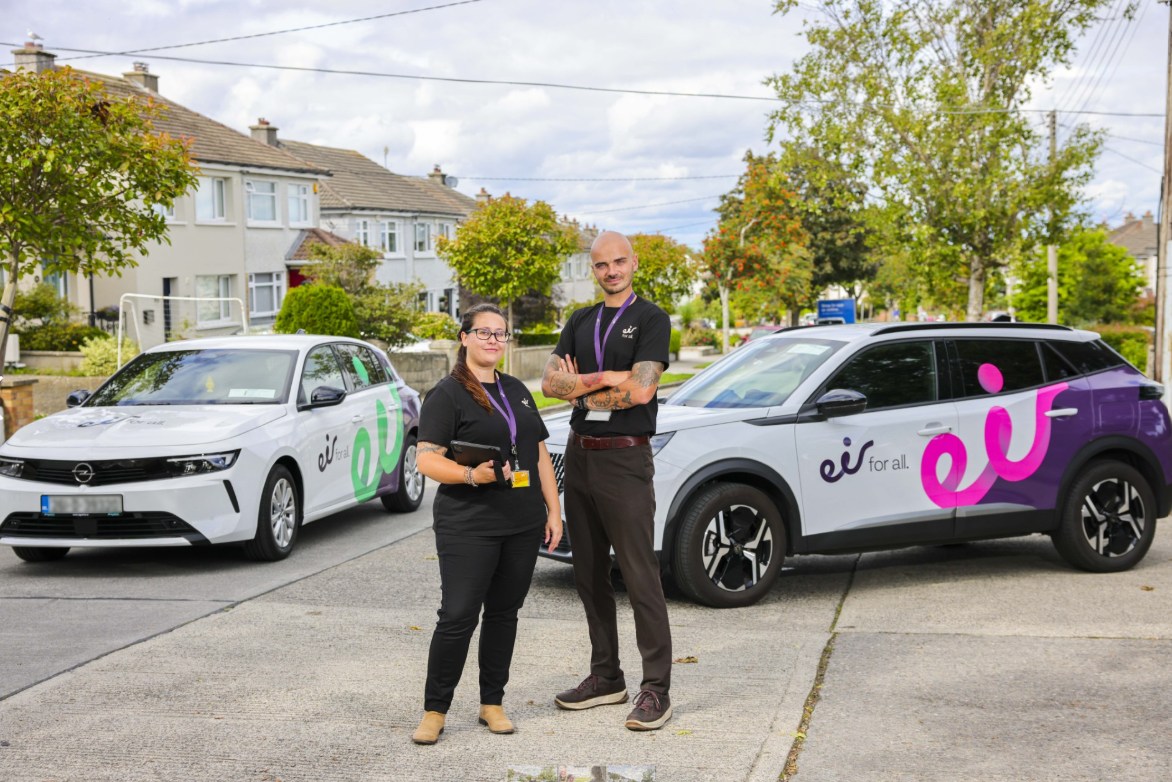
eir, a leading telecoms provider, knows this firsthand. Before using Ecanvasser, their 500+ person field sales team was managing territories through Excel spreadsheets, with reps knocking doors at the wrong times and wasting selling time handling customer support queries on the doorstep. Once territories were properly structured and existing customers mapped and excluded, reps could focus on the right doors at the right times, and the difference was immediate.
Ecanvasser's territory mapping lets managers build, assign, and adjust territories in real time, so your scripts are always landing in the right place, with the right people.
Going in unprepared is going in at a disadvantage. But preparation doesn't mean handing reps a five-page briefing document. It means giving them one or two relevant things to say that make the conversation feel timely and specific.
That might look like: "We just completed an installation two streets over. A lot of homes in this area are eligible for the same package." Or: "There's a time-limited offer running in this postcode until the end of the month." Small details, but they transform a cold knock into a contextual one.
Approaching the door with that kind of context reduces improvisation, increases relevance, and ensures every rep is telling the same story, regardless of where they're working that day.
The easiest way to make this happen at scale is to push updates directly to your reps' devices before they start their route. Ecanvasser's Talking Points feature does exactly that, so the information is fresh, consistent, and ready to use the moment they knock.
You can have the perfect script and still lose the door. Delivery is that important.
The good news is that the basics aren't complicated. You don't need a masterclass in body language. You need five habits that become second nature with practice:
"Over half of communication is non-verbal. A great opener delivered badly still loses the door."
The best way to get delivery right is to practice before the field, not after. Short roleplay sessions, timed drills, and recording your own opener back are all worth doing. When reps also arrive at the door with fresh, consistent talking points already on their device, they spend less mental energy remembering what to say, and more on how they're saying it.
A script improves when you track what's happening at the door and act on it.
The first step is giving reps a simple set of outcome categories to log after every interaction. Something like: Interested, Callback, Not Now, No Answer. Keep it short. Too many options creates hesitation in the field, and hesitation means it doesn't get done. The goal is a log that takes five seconds to complete before moving to the next door.
Once that data starts coming in, the feedback loop begins. Which openers are generating more Interested tags? Which territories are producing Callbacks? Where are reps consistently hitting Not Now, and is that a script problem or a territory problem? These are questions you can only answer when the data is clean and consistent.
One UK field marketing agency saw exactly what's possible when this loop runs well. After implementing structured territory management and real-time interaction logging with Ecanvasser, their weekly sales grew from 80–90 to a consistent 300+ over a six-week period, a more than 300% increase. Attrition rates dropped from a typical 32–34% down to 23.1%. The difference wasn't a new script. It was a system that could identify what was working and replicate it.
That's the real value of logging outcomes. Not the data itself, but what you do with it.
A well-designed opener improves one conversation. A well-run system improves every conversation, every day.
The script is the starting point, but what makes it compound over time is everything around it: the territory planning that puts reps in front of the right doors, the preparation that makes each conversation relevant, the outcome logging that turns field activity into actionable data, and the willingness to iterate based on what that data shows.
For a canvassing manager, that's the real value of a script. It's the foundation for a repeatable, scalable process that gets better with every single knock.
A script that works today should be better next month. That only happens when reps are logging outcomes and managers are reviewing the data. Turning a one-off tool into a system that compounds over time.
If you're building or scaling a field sales operation, Ecanvasser gives your team the tools to run scripts consistently, track what's working, and improve with every knock. Book a demo.

The most effective scripts follow a simple framework: introduction, hook, qualifying question, and directional close. This structure works across industries and products, keeps openers consistent, and makes performance measurable.
A complete opener should take no more than seven seconds to deliver. Longer scripts risk losing attention before the prospect understands why you are there. Save detailed information for after they show interest.
Use short roleplay sessions, territory-specific benefit banks, and timed drills to help reps internalise the structure. Reinforce this by sharing updated talking points directly to their devices before each shift.
Track tagged outcomes such as Interested, Callback, Not Now, and No Answer. Compare results across different script versions, territories, and reps. A good script will show a consistent lift in positive outcomes over time.
Ecanvasser’s real-time tracking completely transformed our field operations. Through the dashboard, we can plan efficient routes, customize interactions, and monitor our canvas stops in real time to support our team the second they need help. The "verified drops" feature adds an extra layer of accountability, while the reporting tools make it seamless to track hourly visit rates and optimize performance on the fly.




Scale your operations, empower your reps, and deliver predictable, profitable growth with Ecanvasser.
.svg)