Short on time?
Pick an AI to summarise this article:
Pick an AI to summarise this article:


Field sales workflows have changed significantly over the last few years. Reps are moving faster, managing larger territories, and working almost entirely from mobile devices. As a result, many traditional CRMs struggle to support the realities of outside sales, especially for teams handling door-to-door canvassing, route-based selling, or distributed field operations.
Today, field sales teams need more than contact management and pipeline tracking. They need mobile-first tools that support territory management, real-time activity updates, offline access, routing, and faster field follow-up.
This guide breaks down what a field sales CRM actually is, how it differs from a standard CRM, the features that matter most in 2026, and how to evaluate platforms based on your team’s workflows. We’ll also cover common implementation mistakes that often hurt adoption and slow down field sales operations.
A field sales CRM is a customer relationship management platform designed for sales teams that work outside the office. It helps reps manage leads, territories, routes, appointments, and customer interactions directly from the field using mobile-first workflows. Most field sales CRMs also include features like GPS tracking, offline access, route planning, activity logging, and real-time reporting to help teams stay organized and productive while working across territories.
Traditional CRMs were built around desk-based sales workflows. Field sales teams operate completely differently. Reps are moving between territories, updating leads from parking lots, managing routes in real time, and working through inconsistent connectivity all day long.
I’ve seen field teams abandon CRM rollouts simply because the mobile experience slowed reps down too much in the field. If logging a visit takes too many steps, adoption drops fast.
A field sales CRM is built around movement and execution. That usually includes:
I’ve also seen how quickly territory overlap and missed follow-ups can become operational problems when field reps work across disconnected systems. The best field sales CRMs keep reps, managers, and territory data aligned in real time so teams can move faster without losing visibility.
Many traditional CRMs work well for inside sales environments, but field sales create a completely different set of operational demands. Once reps are managing territories, routes, and mobile workflows all day, maintaining adoption and visibility becomes much harder.
Field reps spend their day moving between territories, updating leads from their phones, and managing conversations in real time. Their workflows are built around speed and mobility, which changes what they need from a CRM.
Common field sales challenges include:
I’ve seen reps stop using CRMs entirely when simple updates take too long in the field.
Many CRM rollouts fail because the platform creates too much friction for reps during the workday.
The biggest issues often include:
As field teams grow, managers need real-time visibility into:
The best field sales CRMs simplify reps' workflows while giving managers real-time operational oversight.
The best field sales CRMs are built around how reps actually work in the field. Mobile speed, territory visibility, and operational simplicity usually matter far more than long feature lists.
A field sales CRM lives or dies by the mobile experience. Reps need to log activity quickly, pull up customer information between stops, and update records without slowing down their day. I’ve seen adoption improve almost immediately when teams switch to mobile workflows that reduce friction and simplify follow-up in the field.
Territory management is one of the biggest differences between a standard CRM and a true field sales platform. Strong mapping and routing tools help teams:
For outside sales teams, territory visibility directly impacts productivity.
Offline access becomes critical once reps start working rural areas, large territories, apartment buildings, or low-signal environments. A CRM that continues working without connectivity keeps data accurate and prevents reps from delaying updates until later in the day.
Managers need visibility into field activity as it happens. Real-time tracking improves accountability, territory coordination, and coaching opportunities while helping leadership identify gaps in coverage or follow-up.
"The field sales teams that get the best CRM adoption usually aren’t using the platform with the most features. They’re using the one that makes territory management simple, keeps reps moving quickly in the field, and minimizes admin work. If reps can update activity in seconds instead of minutes, everything else, like reporting quality, accountability, and follow-up consistency, improves downstream.” Tom Hollingsworth, Enterprise AE at Ecanvasser
Field-generated leads move quickly. Reps need simple ways to capture conversations, schedule follow-ups, and update statuses immediately after visits. I’ve found that faster lead logging usually leads to better conversion consistency across teams.
Field sales reporting should focus on operational visibility, not just pipeline numbers. Strong reporting helps managers understand territory performance, rep activity, conversion trends, and coverage efficiency across regions.
Most field sales teams rely on multiple systems across sales, scheduling, communication, and customer management. CRM integrations help eliminate duplicate data entry and keep field activity connected to the broader sales operation.
Automation reduces admin work and keeps reps focused on selling. The best field sales CRMs automate follow-ups, reminders, task assignments, and status updates without adding unnecessary workflow complexity.
GPS verification gives managers confidence that territories are being worked properly and activity is being logged accurately. I’ve seen this become especially important for distributed field teams where visibility and accountability directly affect performance and forecasting.
Choosing a field sales CRM is less about finding the platform with the most features and more about finding the one your reps will consistently use in the field. The best systems reduce friction, improve visibility, and make daily execution easier for both reps and managers.
Rep adoption determines whether your CRM becomes an operational advantage or another reporting problem. I’ve seen expensive CRM rollouts fail simply because reps avoided using the app after a few weeks in the field.
The best field sales CRMs make common actions fast:
If reps can complete those tasks in seconds, adoption usually improves dramatically.
Field reps spend most of their day inside the mobile app, not the desktop dashboard. Mobile usability should be one of the first things you evaluate during demos.
Pay close attention to:
A polished desktop dashboard means very little if the mobile experience slows reps down operationally. A polished desktop dashboard means very little if the mobile experience slows reps down operationally. That’s why choosing a field sales mobile app deserves its own evaluation rather than being folded into the CRM decision.
Many field sales CRMs become significantly more expensive as rep counts grow. That cost increase can create operational friction for organizations hiring aggressively, managing seasonal canvassing teams, or expanding into new regions. I always recommend evaluating how pricing changes at double your current headcount, not just where your team is today.
Fast onboarding matters more in field sales than many buyers expect, especially for teams with higher turnover or seasonal hiring cycles. Complex workflows, heavy configuration, and long training periods usually slow adoption and delay ROI. The best field sales CRMs are intuitive enough that new reps can become productive quickly without extensive setup or coaching.
CRM demos rarely reflect how field teams actually work day to day. Before making a decision, test the platform in real operational conditions.
That includes:
This is usually where the biggest differences between platforms become obvious.
Even strong CRM platforms can create operational problems when implementation is handled without field workflows in mind.
Many companies overload field CRMs with too many required fields, approval steps, and reporting layers. What looks organized during setup often slows reps down operationally once they’re working territories all day.
Offline performance becomes critical the moment reps start working rural areas, apartment buildings, or inconsistent coverage zones. I’ve seen data quality issues appear quickly when reps are forced to wait for connectivity before updating activity.
Leadership teams often prioritize dashboards and reporting during demos while underestimating rep usability. In field sales, adoption usually depends on how quickly reps can complete updates between stops.
Field teams typically have higher turnover and faster hiring cycles than inside sales organizations. Complex onboarding processes slow productivity, create inconsistent usage, and delay ROI across growing teams.
Field sales workflows revolve around territories, mobility, route management, and real-time coordination. I’ve found that companies get far better results when they evaluate CRM platforms around field execution instead of traditional desktop sales processes.
This tool category isn’t as cut and dry as other software. There are very few products that are truly dedicated CRMs and purpose-built specifically for field sales.
What actually exists in the market are three overlapping categories:
So that’s how we’re going to break up our tool list.
Rather than building a massive directory of software, this list focuses on platforms commonly used by outside sales and canvassing teams in real operational environments. The selection criteria prioritize:
The goal is not to crown one “best” platform, but to highlight how different tools solve different operational problems depending on how a field sales team is structured.
These platforms are built primarily as general CRMs but offer enough mobile functionality, customization, and integrations to support many field sales organizations.
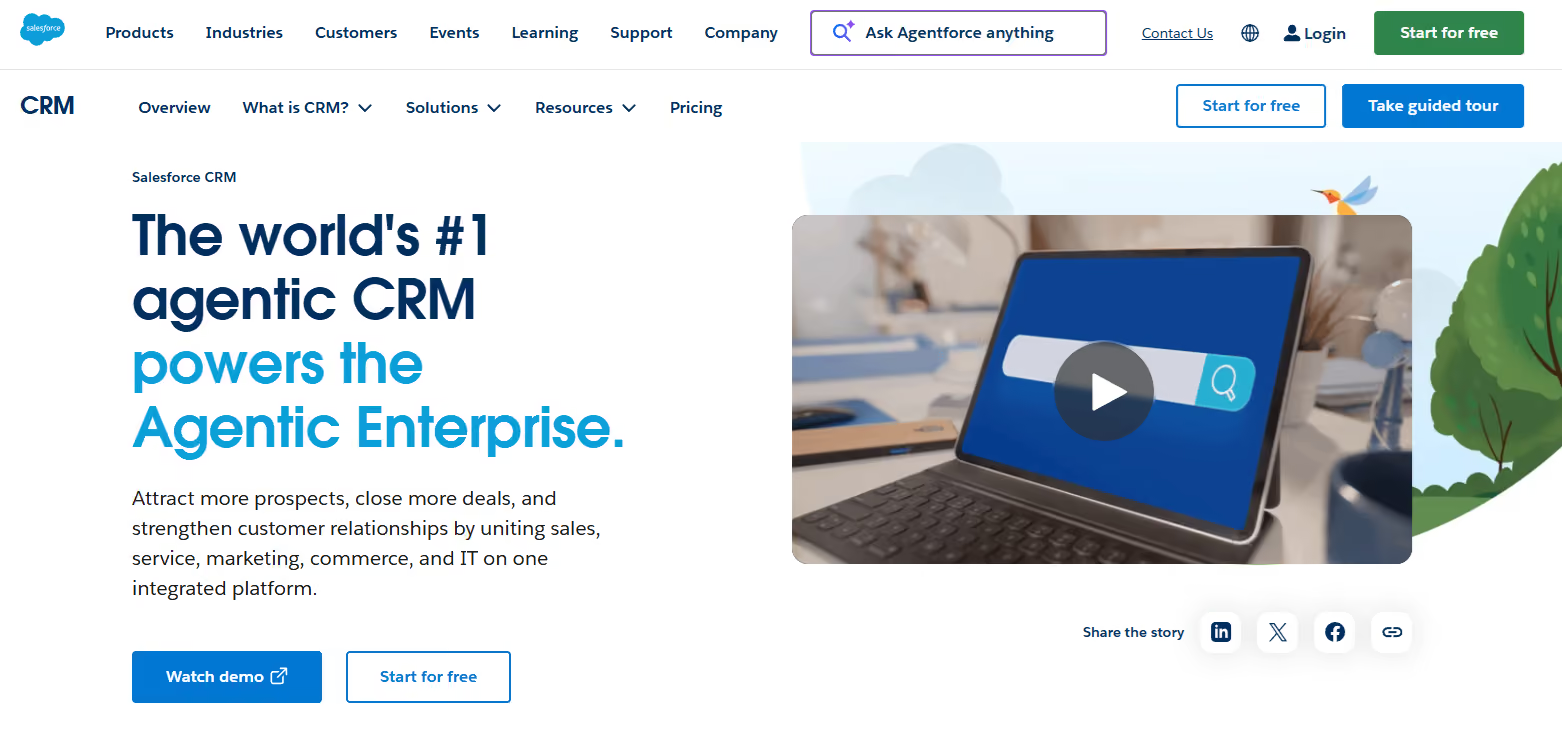
Salesforce is one of the most widely used enterprise CRM platforms, known for deep customization, automation, and reporting capabilities across large sales organizations.
What they can offer field sales teams: lead management, mobile CRM access, territory visibility, workflow automation, and advanced reporting for large or highly structured field operations.
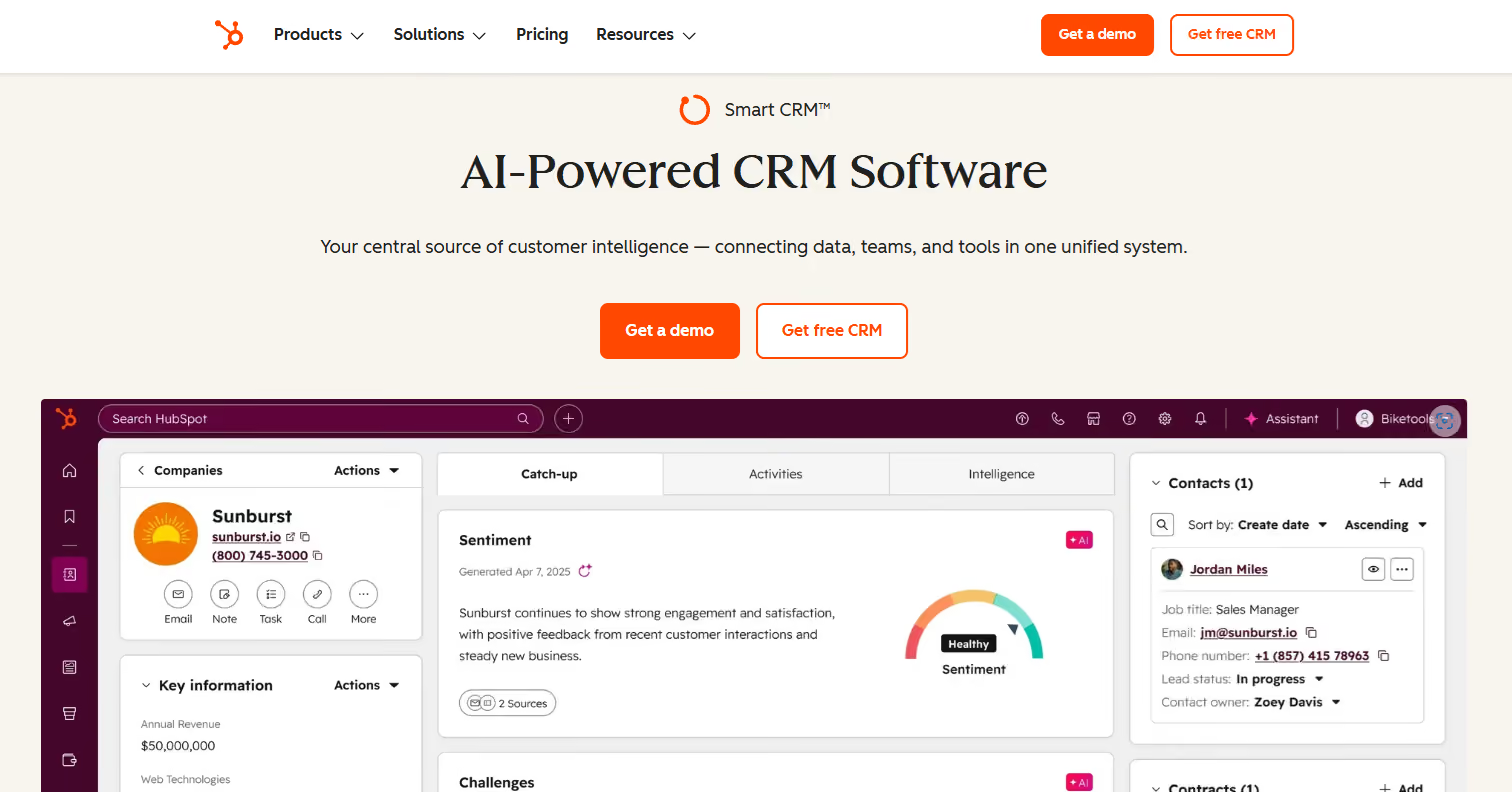
HubSpot is a popular CRM platform for SMB and mid-market sales teams that want strong usability, easy onboarding, and broad integration capabilities without heavy technical setup.
What they can offer field sales teams: contact and lead management, mobile CRM access, sales pipeline visibility, workflow automation, and simple reporting for smaller or growing outside sales organizations.
These platforms are built more specifically around field execution, territory activity, canvassing workflows, and operational visibility for outside sales teams.
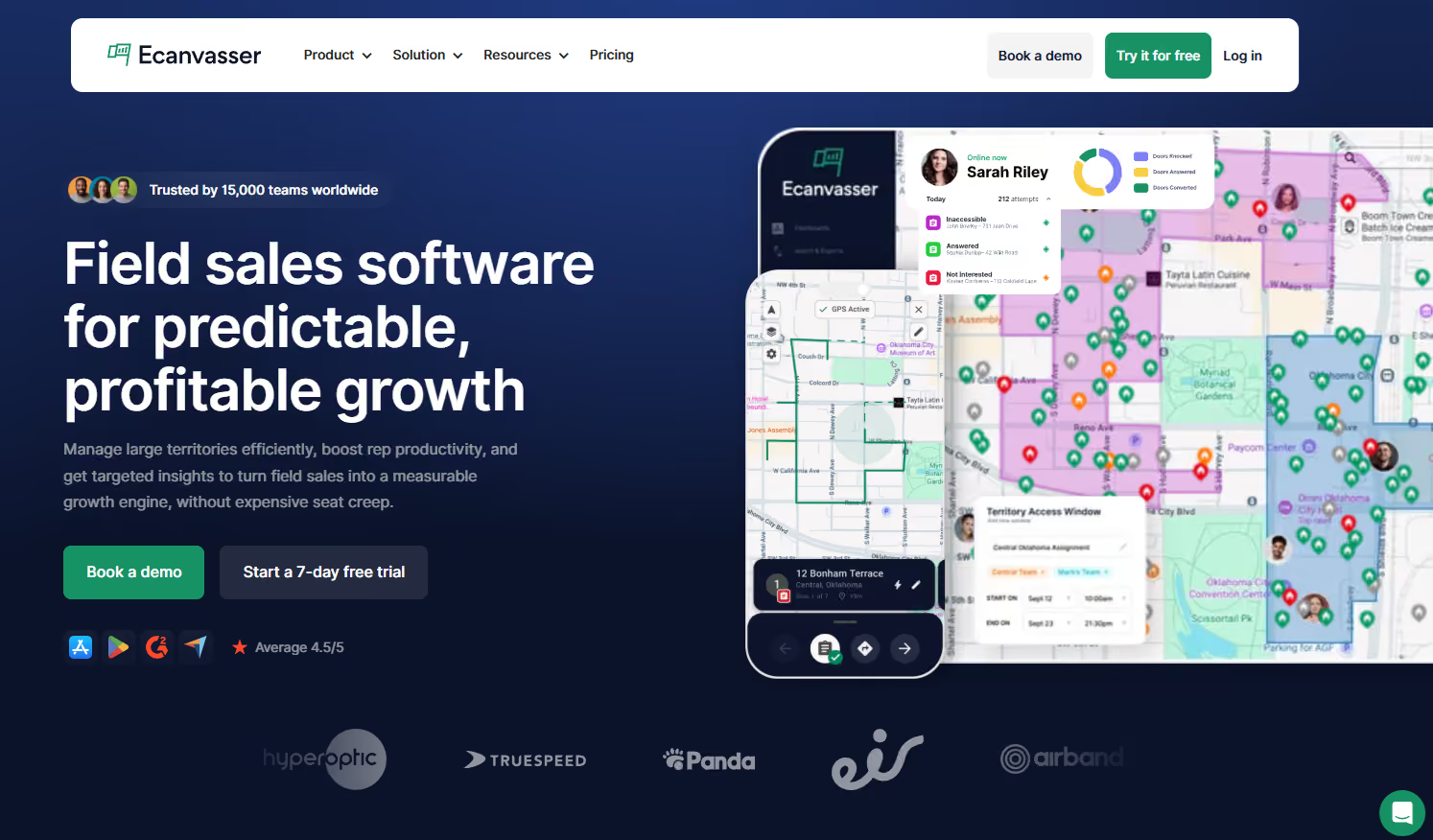
Ecanvasser is a field sales platform built around territory-scale operations, real-time visibility, and distributed field team management. The platform is widely used across telecom, utilities, solar, and political canvassing organizations.
Core offering: territory management, route planning, field tracking, canvassing workflows, and operational reporting.
CRM-related features: lead management, contact databases, follow-up workflows, real-time activity tracking, dashboards, and CRM integrations for large field operations.
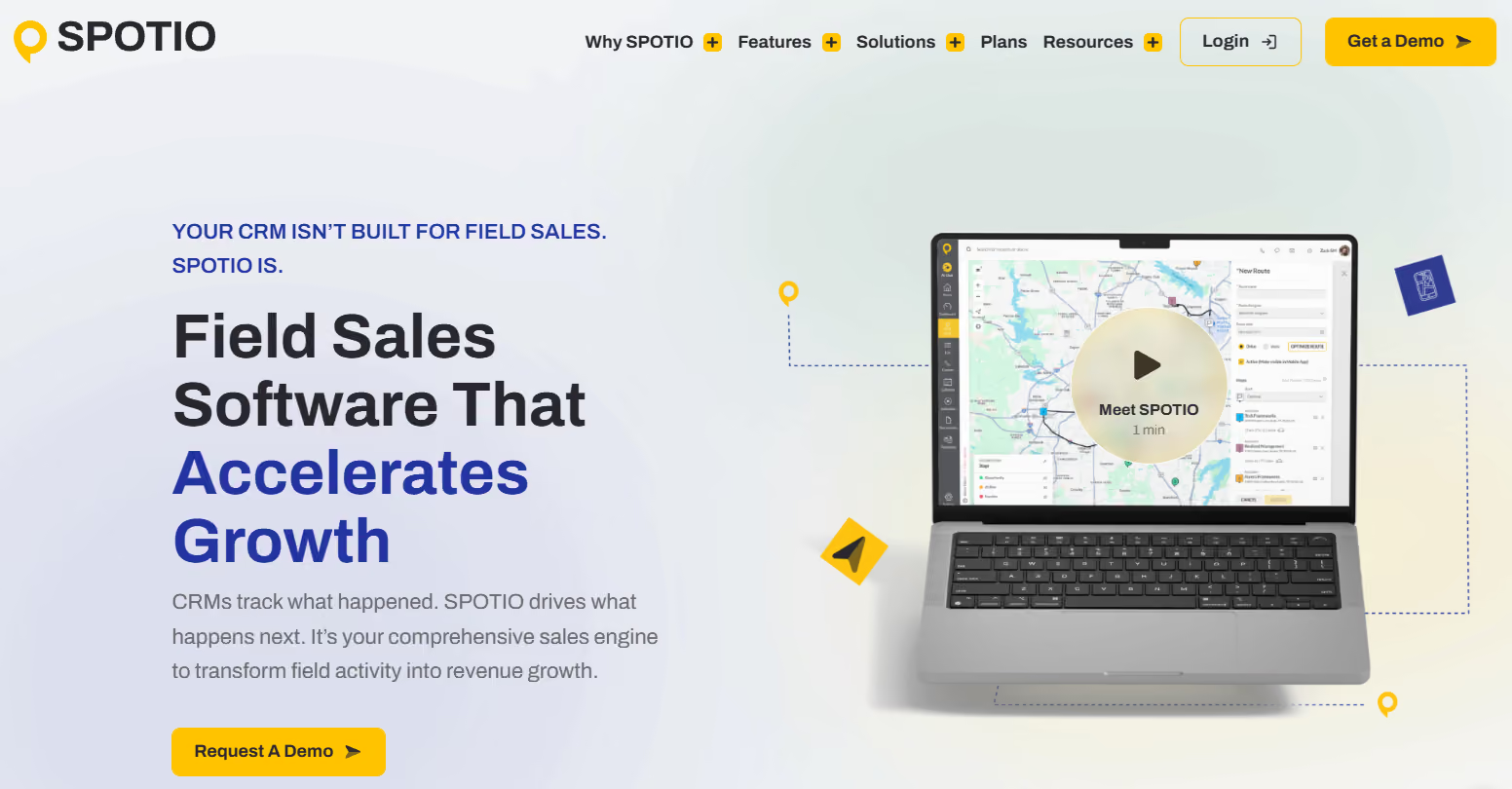
SPOTIO is a field sales platform focused heavily on territory visibility, rep accountability, route optimization, and operational reporting for outside sales teams.
Core offering: field sales engagement, territory management, route planning, and activity tracking.
CRM-related features: lead management, pipeline visibility, follow-up tracking, mobile CRM workflows, reporting dashboards, and CRM integrations for structured field sales operations.
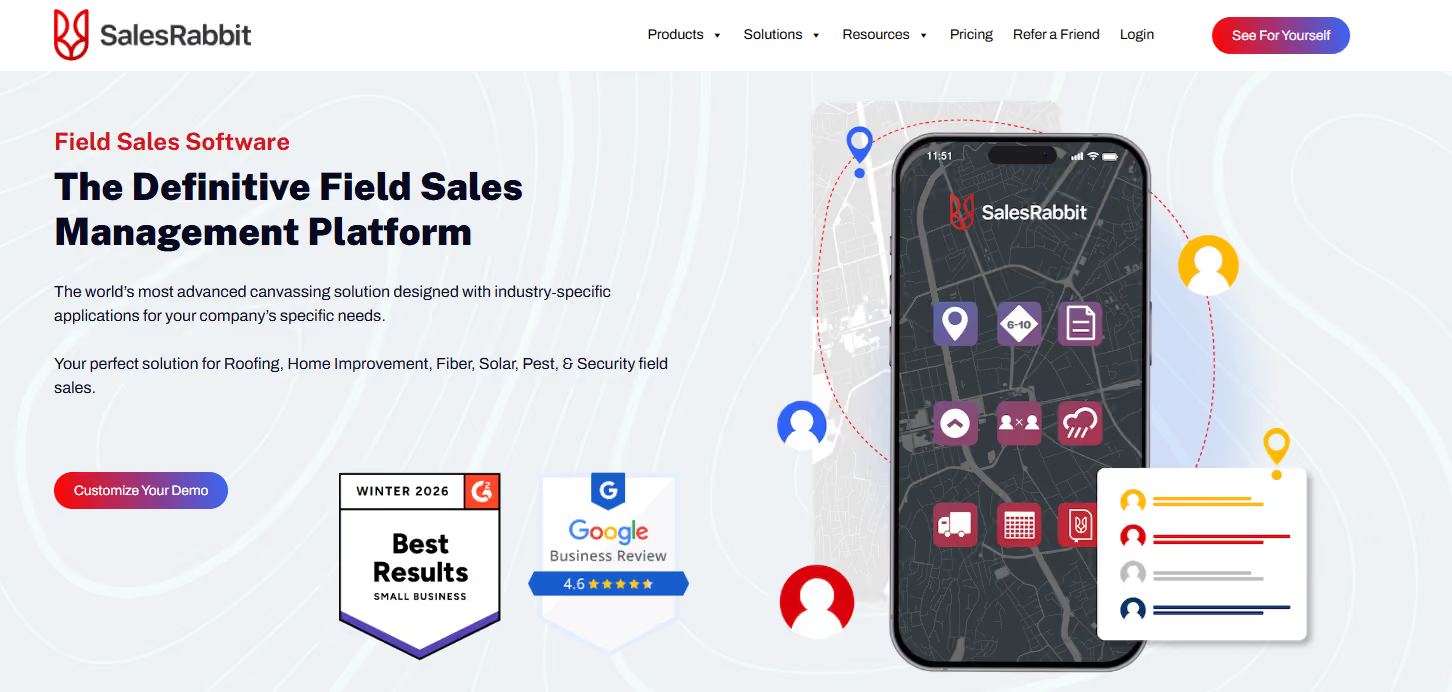
SalesRabbit is a field sales and canvassing platform designed for high-volume outside sales teams in industries like solar, roofing, telecom, pest control, and home services. The platform focuses heavily on mobile usability, territory execution, and rep productivity in the field.
Core offering: canvassing management, territory mapping, route planning, gamification, and field sales execution.
CRM-related features: lead tracking, follow-up management, appointment scheduling, customer records, reporting, and mobile sales workflows for door-to-door teams.
These tools focus more heavily on mapping, routing, territory planning, and helping field reps operate more efficiently throughout the day.
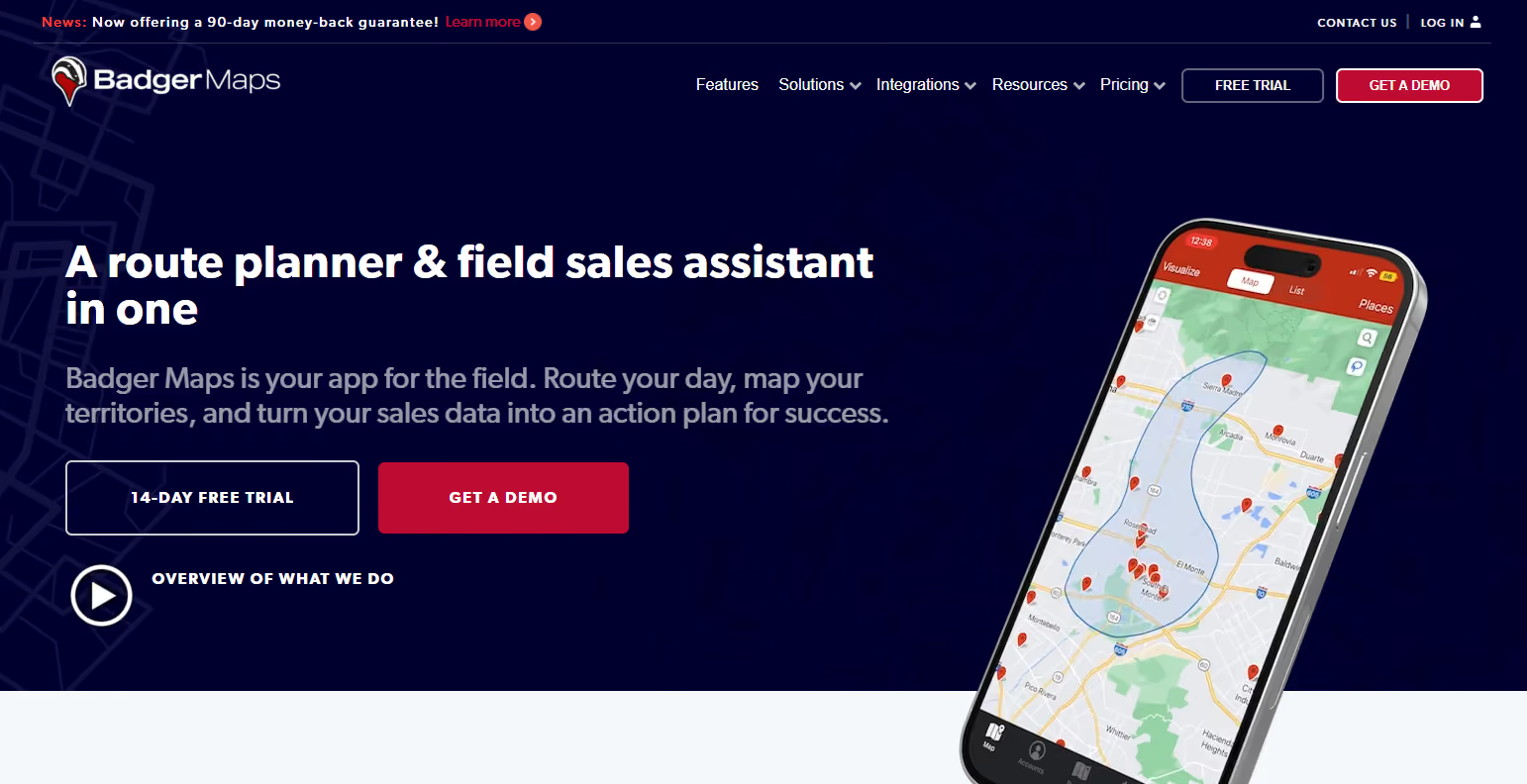
Badger Maps is a route planning and field sales mapping platform designed to help outside sales reps optimize travel, manage territories, and improve productivity in the field.
Core offering: route optimization, territory mapping, sales routing, and field activity visibility.
CRM-related features: mobile CRM access, lead and account mapping, activity tracking, follow-up reminders, reporting, and integrations with platforms like Salesforce and HubSpot.
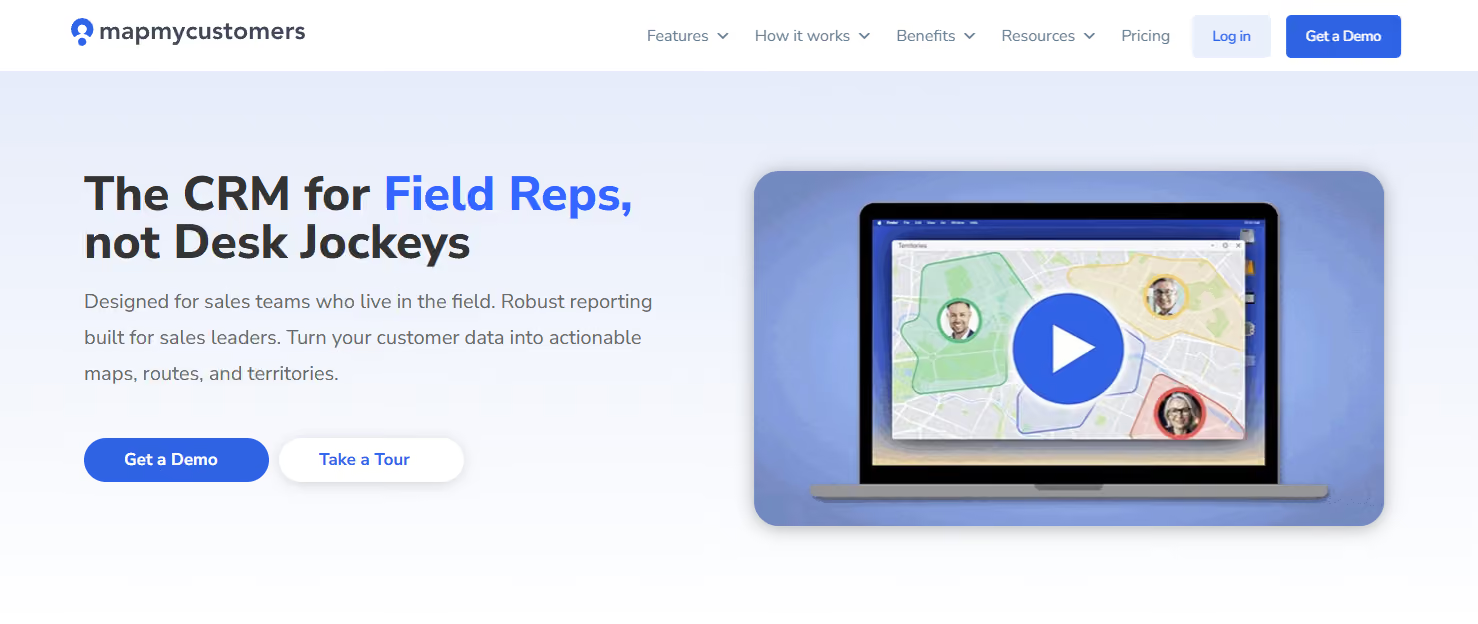
Map My Customers is a field sales platform designed around territory visibility, sales mapping, and improving rep adoption for outside sales teams working in the field.
Core offering: sales mapping, territory management, route planning, and field activity visibility.
CRM-related features: customer and lead management, mobile CRM workflows, reporting dashboards, activity tracking, territory analytics, and live field rep visibility for outside sales organizations.
Door-to-door sales teams need CRMs built around speed, territory visibility, and fast field execution rather than traditional desk-based sales workflows.
The best door-knocking CRMs help reps move efficiently through territories while keeping managers informed in real time. Route optimization and territory assignment are especially important for reducing overlap and improving field coverage across teams. Revisit tracking also plays a major role in maintaining follow-up consistency, particularly when reps are managing hundreds of conversations across neighborhoods or regions.
Offline functionality matters more than many buyers expect. Door-to-door reps regularly work in low-connectivity areas, apartment complexes, or newly developed neighborhoods where mobile coverage can become inconsistent throughout the day.
Rapid lead capture is another critical capability. Reps need to log conversations, update lead statuses, and schedule follow-ups immediately after interactions while details are still fresh. Strong rep accountability tools also help managers verify territory activity and maintain visibility across distributed field teams.
Many door-to-door sales teams run into operational problems when their CRM workflows become too complicated for how reps actually work in the field.
The best field sales CRM is the one that fits the way your reps actually work in the field while giving managers the visibility and operational control they need to scale effectively.
If your team is managing large territories, distributed field operations, or canvassing workflows at scale, book an Ecanvasser demo to see how the platform supports real-world field execution and territory growth.


Ecanvasser’s real-time tracking completely transformed our field operations. Through the dashboard, we can plan efficient routes, customize interactions, and monitor our canvas stops in real time to support our team the second they need help. The "verified drops" feature adds an extra layer of accountability, while the reporting tools make it seamless to track hourly visit rates and optimize performance on the fly.




Scale your operations, empower your reps, and deliver predictable, profitable growth with Ecanvasser.
.svg)