Short on time?
Pick an AI to summarise this article:
Pick an AI to summarise this article:


Pick up any prospecting guide, and you'll find advice about CRMs, LinkedIn sequences, and email cadences. That's inside sales prospecting.
But door-to-door field sales prospecting is a different activity entirely.
It happens in a territory, at a door, in real time. There's no drafting and redrafting. There's no sending something and waiting for a reply. The rep makes decisions in seconds, on a doorstep, with no backup.
The principles of good prospecting apply to both models. The execution looks nothing alike.
This playbook is built specifically for field sales managers and reps running door-to-door and territory-based operations. It covers the full prospecting cycle: how to select and prepare a territory, how to structure a rep's day for maximum contact, how to handle the first conversation at the door, how to log outcomes so every shift gets smarter, and how to run a follow-up system that converts warm leads rather than losing them.
Field sales prospecting is the systematic process of identifying potential customers within a territory, making first contact in person, qualifying their interest, and moving them toward a sale or a scheduled follow-up. It's a cycle. It runs from territory preparation through first knock through outcome logging through follow-up. Each step feeds the next.
What makes it different from other prospecting models:
The best field sales prospecting operations don't rely on individual rep talent. They rely on a system that makes every rep more effective. Better territory data, cleaner lists, faster logging, and a follow-up process that runs regardless of whether the manager is physically present.
"What I see most often is reps working blind. They've got no idea which doors were knocked last month, what the outcome was, or whether a competitor already signed that street. The good news is data problems are fixable." Thomas Hollingsworth, Account Executive, Ecanvasser
Most prospecting guides skip this step entirely. They assume a CRM, an inbound lead list, and a rep at a desk. Field sales prospecting starts with the territory. Get this wrong, and nothing else in the playbook fixes it.
A rep working the wrong territory will struggle regardless of how good their script is. A rep working a well-selected, well-prepared territory will generate consistent contact rates and qualified leads even with average technique.
Territory is the multiplier.
This is what makes a territory worth working:
I see this problem consistently when teams come to us. Reps are working areas that have already been exhausted. Not because they're disorganized, but because there was no system telling them which doors had already been knocked on and what happened there.
Preparation happens before the rep leaves the building. A well-prepared field sales team works from territories that are ready to work:
Territory management handles this digitally. Managers assign territories from a map, reps see exactly what they're working on, and visit history updates in real time as outcomes are logged.
Even strong territories lose effectiveness over time. Repeated visits to the same addresses, declining contact rates, and diminishing conversion rates are early signals.
Teams that track GPS coverage data can systematically rotate territories. They move reps to fresh areas before exhaustion affects morale and results. Teams without that data keep sending reps back to exhausted ground and wonder why numbers are falling.
Good route planning software makes this visible. Managers can see coverage density across the territory map and identify which zones need rotation before the data worsens.
The territory defines where to prospect. The list defines who.
A well-built prospecting list is the difference between a rep spending their shift on high-potential doors and a rep burning time on addresses that were never going to convert.
A field sales prospecting list is more than a database of addresses.
The most useful lists include:
Not all addresses are equal. Prioritization means the rep works the highest-potential doors first. Working through a list in geographical order, regardless of fit, is one of the most common and most avoidable inefficiencies in field prospecting.
Prioritization criteria for field sales:
List quality is more often a prospecting problem than a script problem. A rep working from a stale list generates lower contact rates and wastes time on unproductive stops. Outdated addresses, wrong contact details, and no visit history all add up to a shift that underperforms for reasons the rep can't fix.
The solution is a centralized contact database that updates in real time as reps log outcomes in the field. Every door knocked adds to the list's intelligence. The next rep who works that territory starts with better data than the last one did.
Route planning is the most underestimated step in field sales prospecting. How a rep's day is structured determines how many doors get knocked and how productive each knock is. Poor routing is one of the most preventable sources of wasted field time, and one of the easiest to fix.
A rep working a disorganized route loses 20 to 30% of their available field time to inefficiency. That's 15 to 20 doors per shift that never get knocked. Not because the rep isn't working hard. Because they're doubling back across streets, driving between non-adjacent stops, and planning their day in their head as they go.
Route-optimized prospecting looks different:
A well-structured field prospecting day has three phases.
Morning preparation (15 minutes). Review the day's territory, check priority addresses, and confirm the route in the app. The system generates the route from the contact list. There's no manual planning required.
Field execution (6 to 7 hours). Work the route systematically. Log every outcome at the door before moving to the next stop. Flag warm leads immediately for follow-up scheduling.
End-of-day review (15 minutes). Review coverage against the planned territory. Identify gaps. Schedule follow-ups from that day's warm leads and pass the data to the manager for next-day territory adjustments.
"When I work with a new customer on day structure, the first thing I look at is how their reps are starting the day. If they're spending the first thirty minutes figuring out where to go, that's thirty minutes of selling time gone before they've knocked on a single door. Getting the morning prep down to fifteen minutes changes the whole shape of the day." - Aoife Murphy, Customer Success Manager, Ecanvasser
Ecanvasser's route planning generates optimized routes with up to 200 stops directly from the contact list. Reps start the day ready to work rather than spending the first thirty minutes figuring out where to go.
This is where most prospecting guides get vague. They'll tell you to "build rapport" and "handle objections confidently." Here's what that actually looks like at a door, in practice.
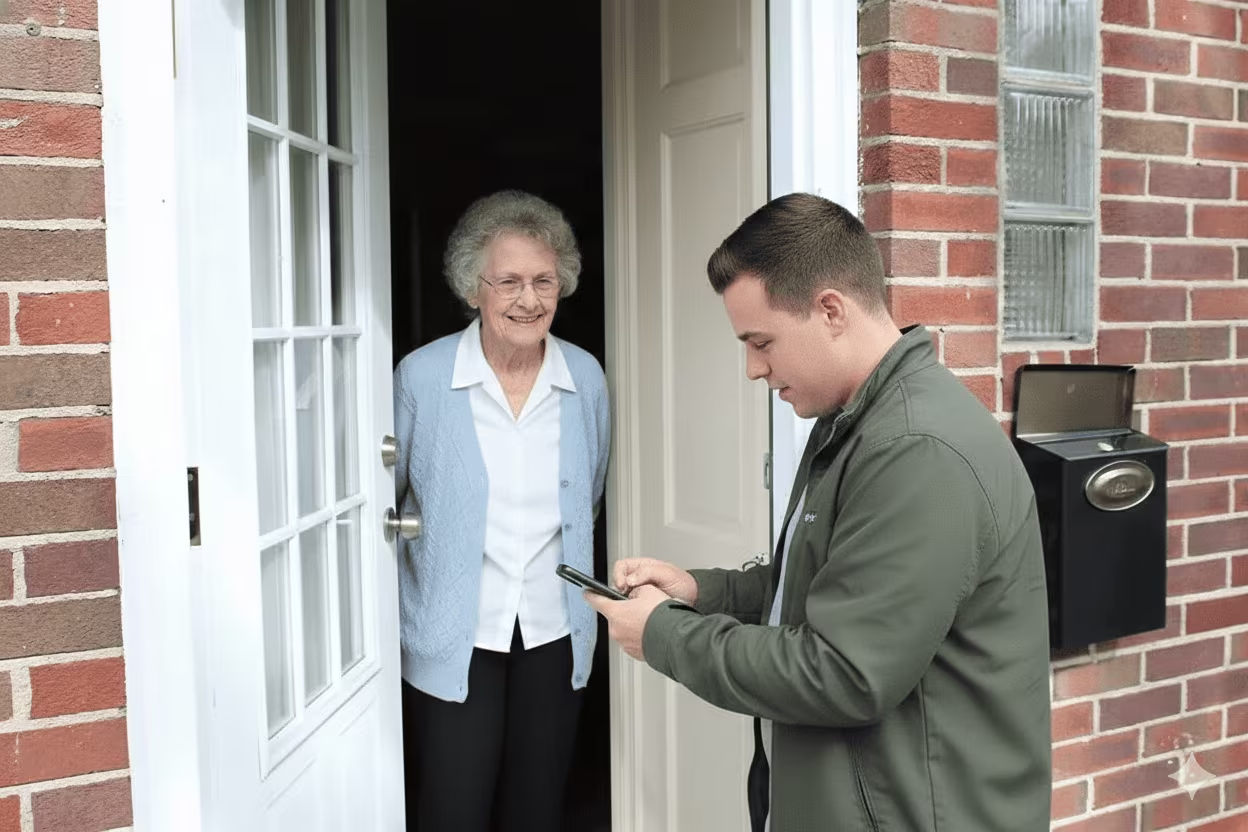
The opening determines whether a conversation happens at all. A resident decides within the first few seconds whether to engage or disengage. The window is shorter than in any other sales model. The opening has to be direct, relevant, and non-threatening.
What works at the door:
Example opener for a telecoms campaign: "Hi, I'm working with [company] in this area today. We're rolling out fiber on this street, and I wanted to make sure you knew about it."
Example opener for a solar campaign: "Hi, I noticed you've got a south-facing roof here. We're talking to homeowners in the area about the new solar incentive scheme. Worth two minutes?"
The opener is not a pitch. It's a permission request for a conversation. Reps who understand that distinction close far more doors than reps who lead with product.
Ecanvasser's in-app scripts keep these openers and talking points accessible at the door, so new reps aren't relying on memory and experienced reps stay consistent.
Not every door is worth spending time on. Fast, non-pushy qualification in the first sixty seconds tells the rep whether to invest in the conversation or move on.
Three qualification questions for door-to-door:
A rep who qualifies quickly and moves on from poor fits has more time for high-quality conversations. A rep who spends twenty minutes at every door, regardless of fit, burns the territory inefficiently.
Objections at the door are different from objections in a sales meeting. They're reflexive—more like a resident's default response to an unexpected visitor, not a considered position.
No matter what happens at the door, the key is to log it.
Outcome logging is the activity that turns a day of field prospecting into usable data. Without it, every shift starts from scratch.
Here’s what should be logged at every door, and when:
What good field data enables:
The logging interface has to be fast enough to use between doors. If it requires more than a few taps, reps stop using it consistently. When that happens, the data that makes prospecting smarter disappears, and every shift starts from scratch.
This is one of the most important things to get right when choosing a field sales platform. Adoption determines whether you have a prospecting system or the illusion of one.
Most field sales prospecting guides stop at the door. That's where the rep's shift ends. It's also where most pipelines are won or lost.
The most common failure mode in door-to-door follow-up is straightforward. The warm lead gets logged, the rep moves on, and nobody follows up within the right window. By the time a manager reviews end-of-week data, the lead has gone cold or been approached by a competitor.
Three reasons follow-up breaks down:
Each team needs a simple, repeatable cadence for door-to-door prospecting:
Within 24 to 48 hours of first contact. ke a return visit or phone call for any "interested" outcomes from the previous day. Strike while the conversation is fresh. The resident remembers the rep, and the rep has their specific situation noted.
Day 5 to 7. Follow up on "callback" outcomes from the same week. These are prospects who weren't ready but expressed willingness to talk again. A structured return at the promised time builds credibility. An unstructured return a month later doesn't.
Day 14. Make a final follow-up attempt on any unresolved warm leads. After two weeks without conversion, either schedule a next step or move the address back into the general territory rotation.
Follow-up should be visible in the same dashboard that managers use to review daily coverage. Callbacks due today, overdue follow-ups, and warm leads by territory zone should all surface automatically. They should never be compiled manually from rep notes.
When follow-up is visible at the manager level, the whole team's conversion rate improves. The rep knows the manager can see outstanding callbacks. The manager can intervene if a pattern of missed follow-ups emerges before it costs the team a meaningful pipeline.
Ecanvasser's appointment scheduler lets reps book follow-up visits directly from the outcome log. The callback appears in the manager's dashboard the moment it's scheduled.
This is the step that separates a good prospecting system from a great one.
Data compounds, meaning every shift makes the next one smarter. If the data is captured, structured, and acted on. Teams that treat each shift as a standalone activity leave significant performance on the table.
After two to four weeks of structured prospecting in a territory, patterns emerge:
Good field sales prospecting creates a feedback loop:
[blockquote] Outcome data → territory insights → smarter route planning → better contact rates → more outcome data
Teams that close this loop consistently outperform teams that treat each shift as a standalone activity.
The data from Monday informs Tuesday's territory planning. The data from this week informs next week's rep assignments. The data from this quarter informs next quarter's ICP refinement.
"The biggest shift I see when teams start using data properly is that they stop guessing about where to send reps. They can see which areas are converting and which are saturated, and they adjust in real time rather than waiting for end-of-quarter reviews." - Aoife Murphy, Customer Success Manager, Ecanvasser
This is what field sales analytics looks like in practice. And it's what a well-configured field sales dashboard makes possible. You get visibility into patterns that a weekly summary report would never surface in time to act on.
The right tools make prospecting systematically better over time. The wrong tools add admin without adding insight.
Here's what to evaluate.
The tool should let managers build, assign, and update territories digitally with address-level control and GPS-verified visit history. The rep should open the app and see their assigned territory, prioritized list, and route without any manual setup.
If territory assignment requires emailed spreadsheets or printed lists, the tool is creating the problem it should be solving.
Route planning should be generated automatically from the contact list. The best tools generate routes with up to 200 stops, sequenced to minimize travel time while respecting territory boundaries. Reps using optimized routes knock significantly more doors per shift than reps planning manually. That gap compounds across a team of ten reps working five days a week.
Logging should be fast, consistent, and GPS-verified. Clear outcome categories, minimal free text, and automatic location attachment mean data captured in the field is reliable enough to act on. If logging requires more than a few taps between doors, reps will stop using it consistently. When adoption drops, so does data quality.
Warm leads and callback commitments should automatically generate follow-up tasks that are visible to both the rep and the manager. An integrated appointment scheduler lets reps book return visits directly from the outcome log without switching between apps. Every extra step between a warm lead and a scheduled follow-up is a place where the pipeline leaks.
The manager dashboard should show coverage, contact rate, and outcome distribution in real time. Not in a weekly report. The ability to see which reps are active, which territories are being worked, and where warm leads are being generated in real time is what separates a managed prospecting operation from a collection of individual rep activities.
Ecanvasser combines all of these capabilities into a single platform, built specifically for door-to-door and territory-based field sales operations. Real-time field tracking gives managers live visibility across every rep and every territory simultaneously.
Most sales metrics measure outcomes. These four measure the prospecting cycle itself, which is where most performance problems originate. For a broader look at performance measurement, see our guide to field sales KPIs.
Contact rate is the percentage of doors knocked where a real conversation takes place. It's the most important prospecting metric because it tells you whether the territory, timing, and rep execution are working. A falling contact rate is the earliest signal that something in the system needs adjusting.
Of the leads who expressed interest or requested a callback, how many converted to a sale or next step? This metric reveals whether the follow-up system is working. High callback volume with low conversion usually points to a timing or cadence problem, not a script problem.
What percentage of logged callbacks and warm leads are being actioned within the defined timeframe? If this number is low, the pipeline is leaking between the door and the closure. The fix is almost always visibility, making outstanding follow-ups surface automatically rather than requiring manual tracking.
What percentage of the assigned territory was actually worked in a given shift or campaign? Low coverage rate reveals route inefficiency, territory over-assignment, or rep time lost to admin. GPS data makes this measurable without relying on rep self-reporting.
Theory is useful. Real outcomes are better. Here are three examples of structured field sales prospecting in practice.
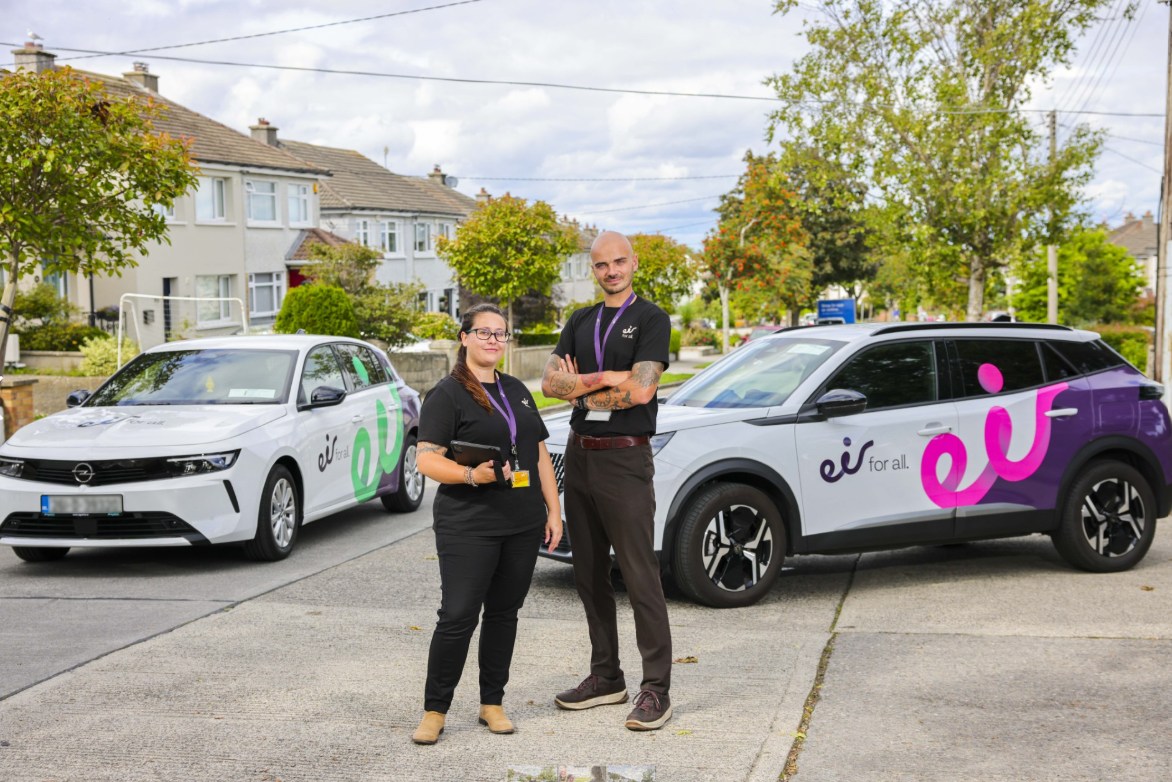
eir, Ireland's largest telecoms provider, previously managed a 500+-rep field sales team using Excel spreadsheets, a process their own team described as "just a step above pen and paper." Territories were assigned in a spreadsheet. Managers had no real-time view of activity. Critical information like contract end dates lived in individual reps' notebooks and was routinely lost.
After moving to a structured prospecting system with digital territory assignment, at-the-door outcome logging, and real-time dashboards, managers could see daily door knocks, rep productivity, and follow-up actions. The shift from end-of-week guesswork to daily data-driven operations changed both territory prioritization and rep coaching.
Knocking on the wrong doors is one of the most common and most preventable inefficiencies in field prospecting. For Lightning Fibre, a UK provider, the challenge was ensuring reps only knocked serviceable addresses and avoided revisiting the same properties too soon.
Using structured territory management, the team limited prospecting activity to addresses within their service coverage, tracked exactly which doors had been knocked and when, and integrated field data directly into their operational workflows. The result was better visit timing, fewer wasted knocks, and a more reliable data foundation supporting sales growth.
A UK field marketing agency running door-to-door campaigns for fiber clients was experiencing territory burnout and inconsistent results. By implementing structured territory rotations, daily allocation controls, and real-time tracking, they prevented reps from exhausting areas prematurely.
The outcome was measurable. Weekly sales increased from 80 to 90, then to a consistent 300+ over a six-week period. Attrition dropped from a typical 32 to 34% all the way down to 23.1%. Structured prospecting, not harder work, drove the improvement.
{{faq-1}}
{{faq-2}}
{{faq-3}}
{{faq-4}}
{{faq-5}}
Field sales prospecting works when it's treated as a system rather than a daily activity. Territory selection, list preparation, route optimization, door-to-door approach, outcome logging, and follow-up cadence all connect. Each step makes the next one smarter. The data is captured, structured, and acted on.
The teams that prospect most effectively aren't the ones with the best individual reps. They're the ones with the best system underneath their reps.
Ecanvasser gives field sales teams the territory management, route planning, outcome logging, and real-time dashboards to run a prospecting system that compounds over time. Book a demo or start a free trial to see it in practice.

Field sales prospecting is the systematic process of identifying potential customers within a territory, making first contact in person, qualifying their interest, and moving them toward a sale or follow-up appointment. It runs from territory preparation through first knock through outcome logging.
For residential door-to-door prospecting, 60 to 80 addresses per shift is a productive target with route optimization. Without optimized routing, reps typically cover 40 to 50. The gap between those numbers is almost entirely explained by travel time between stops, not effort or speed.
Contact rate, which is the percentage of doors knocked where a real conversation takes place. It's the leading indicator that tells you whether the territory is right, the timing is right, and the rep is working effectively. Doors knocked tells you how busy the rep was. Contact rate tells you how productive they were.
High address density, strong ICP fit, limited recent coverage, and time-of-day patterns that favor the hours your reps work. All four factors are measurable from GPS coverage data and outcome history if the right platform is in place.
Ecanvasser’s real-time tracking completely transformed our field operations. Through the dashboard, we can plan efficient routes, customize interactions, and monitor our canvas stops in real time to support our team the second they need help. The "verified drops" feature adds an extra layer of accountability, while the reporting tools make it seamless to track hourly visit rates and optimize performance on the fly.




Scale your operations, empower your reps, and deliver predictable, profitable growth with Ecanvasser.