Short on time?
Pick an AI to summarise this article:
Pick an AI to summarise this article:

.svg)
The term “field sales” gets used loosely.
Outside sales, door-to-door sales, and canvassing all describe roughly the same activity, but the inconsistency causes real problems once you're building a team.
If you're growing a field operation in home improvement, solar, telecom, or direct sales, unclear terminology makes it harder to write an accurate job description, hire the right people, or evaluate software built for the job.
Today, I’m offering a clear definition of field sales. I dive into what the term actually means, how the role differs from inside sales, what a field sales representative does, and the software your team needs.
Field sales is selling that happens in person, at the prospect's location, instead of remotely over the phone or a video call. A rep travels to the customer, whether that's a homeowner's front door, a business's office, or a scheduled site visit, and the sale happens face to face.
Here's where it gets confusing. The field sales meaning shifts slightly depending on the vertical you're in. None of the terms below describe a different activity. They describe the same activity from inside industries that grew up using their own language for it:
Inside sales happens remotely, over the phone, by email, or through video calls. Field sales happens in person, at the prospect's location. For a growing SMB team, that difference shapes everything downstream: field sales deals usually take longer to close and demand more relationship investment per prospect, while inside sales moves faster and costs less per contact. For the full breakdown of when to use each model and how the best teams combine both, see Inside vs Outside Sales: How to Choose the Right Model.
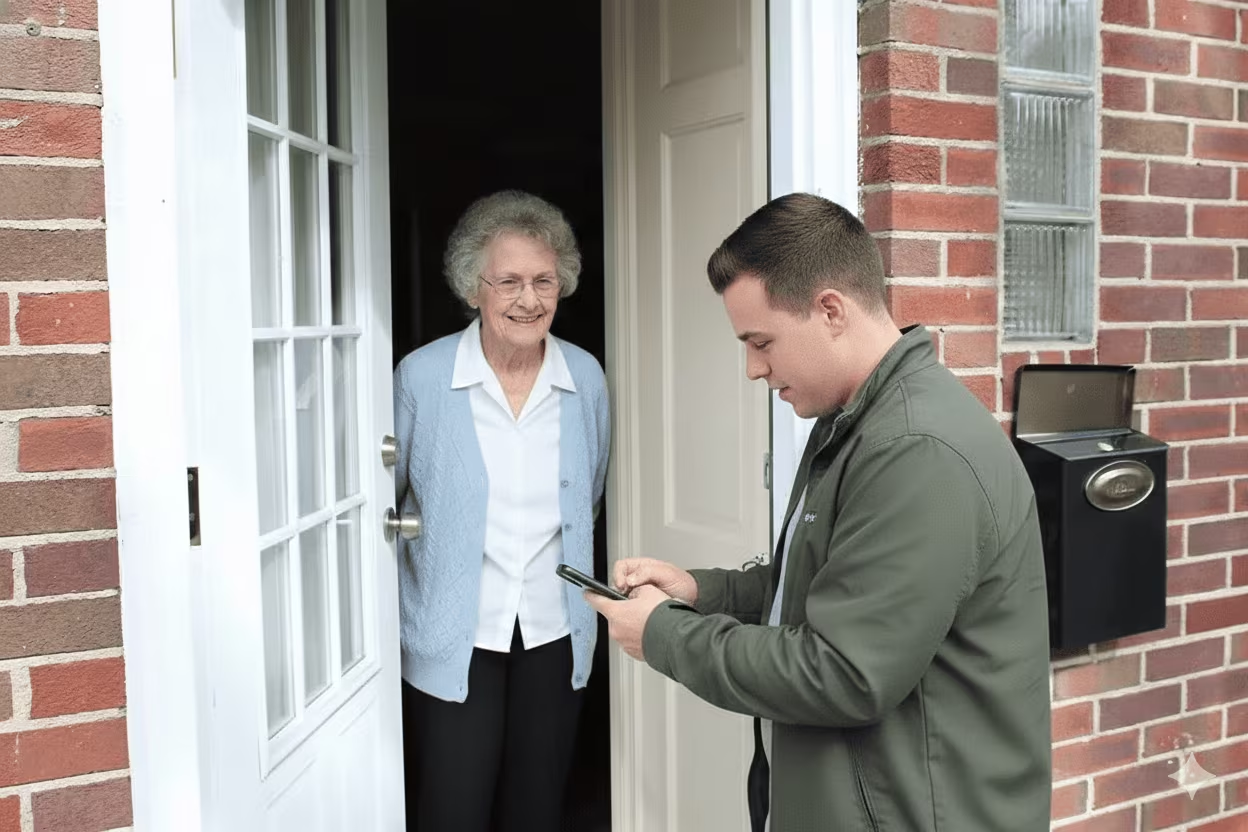
A field sales representative is responsible for working an assigned territory, meeting prospects face to face, and capturing what happened at each stop before moving to the next one. In home improvement, that might mean knocking doors in a neighborhood after a storm. In solar or telecom, it might mean scheduled site visits or door-to-door coverage across a serviceable area. In direct sales more broadly, it's whatever face-to-face selling looks like in your specific market.
Three parts of the job matter more than any specific script or pitch:
The average field sales representative in the United States earns approximately $127,994 per year in total compensation, according to Glassdoor's 2026 salary data.
That compensation reflects a role with real weight to it. Reps aren't following a script. They're making judgment calls at the door, and the pay tends to track that.
Once you're building a team, asking the right field sales interview questions and writing a clear job description are only step one. Onboarding comes next.
You'll see this role called a field sales rep, an outside sales rep, a door-to-door rep, or, in political and canvassing contexts, a canvasser. Someone searching "field sales rep" and someone searching "door knocker" are usually looking for the same job.
The teams that struggle most in the early days aren't lacking effort, they're lacking clarity. I always tell new customers that the job title on a rep's business card matters far less than whether they know exactly which doors are theirs today and what "done" looks like for each one.
New teams usually think managing the field well comes down to hiring people who'll grind it out. What actually changes results is giving those reps clear structure and real-time visibility into what's working." — Jay, Customer Success Manager, Ecanvasser
Most teams don't start field sales with a system. They start with a spreadsheet, a group chat, and a manager who knows every rep's territory from memory. That works when you have three reps. It stops working around rep ten, and by rep twenty it's usually broken beyond repair. Managing a field sales team past that point is a different job, with different numbers to run it on.
The failure point isn't effort. Reps are still knocking doors, managers are still checking in, and the team is still busy. What breaks is coordination: two reps working the same street without knowing it, a follow-up that never happens because nobody logged the first conversation, a manager who finds out about a problem territory a week after it started costing the business money.
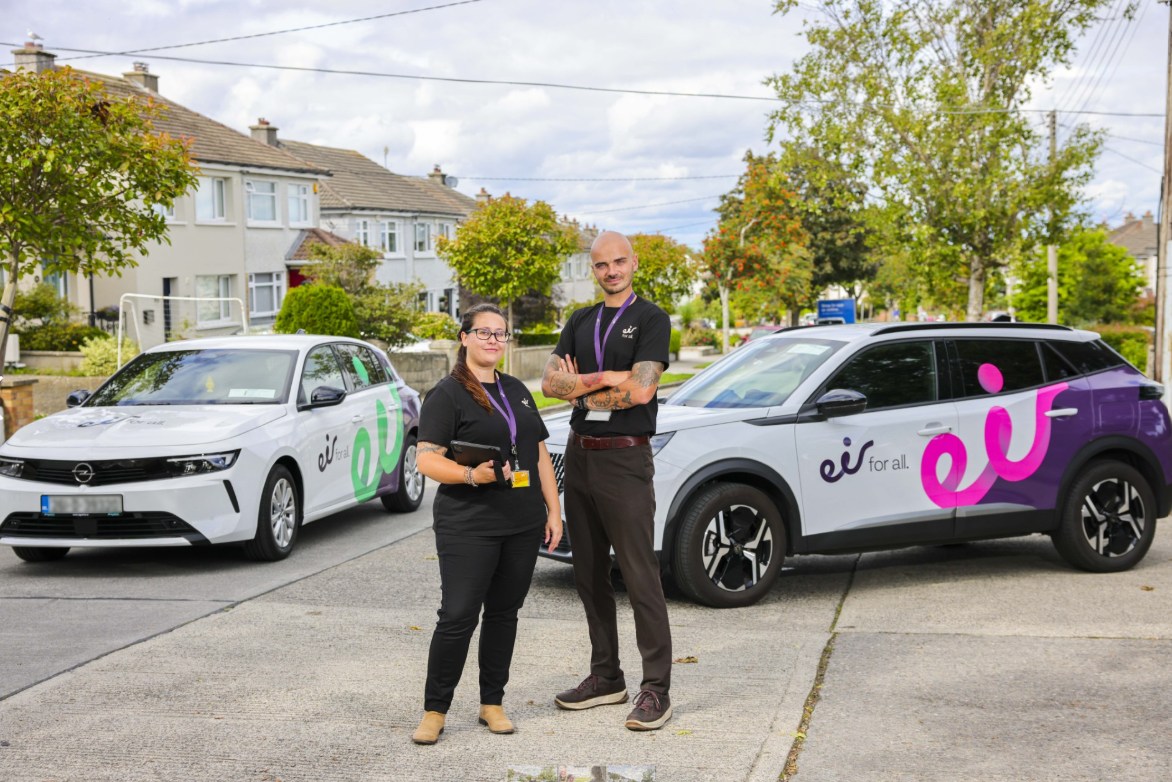
A telecommunications field team at eir, an organization running more than 500 field reps, hit exactly this wall. They had been assigning weekly territory lists by spreadsheet, and reps were working areas with little coordination between them. Moving to time-bound digital list assignments eliminated the overlap, gave managers full visibility into daily progress instead of end-of-week guesswork, and let the team prioritize high-value areas using live data instead of a static plan built a week earlier.
"You can't fix a scaling problem by asking people to work harder. Build systems and visibility first, then let headcount follow." — Tom, Sales Leader, Ecanvasser
The difference isn't how hard your reps are working. It's whether the structure underneath them can hold as more people join it.
Field sales software is built to handle exactly what a general CRM can't: territory assignment, route planning, in-field data capture, and real-time visibility for whoever's managing the team. A CRM assumes a rep has time to sit down and log things carefully after the fact. A rep working a neighborhood or a service area doesn't have that time, and if the data isn't captured at the door, it doesn't get captured at all.
I work with customers who assumed their CRM would cover field work, and it's almost always the same story. It handles the office side fine, but the moment a rep is standing at a door, it wasn't built for that.
At minimum, look for software that:
For the full buying criteria, see our criteria for the best outside sales software.
{{faq-1}}
{{faq-2}}
{{faq-3}}
{{faq-4}}
Field sales isn't complicated once the terminology stops getting in the way. It's a rep, a territory, and a conversation that happens in person instead of over the phone. What separates teams that scale well from teams that stall out is what happens around that conversation: whether the territory is clearly assigned, whether the outcome gets logged, and whether a manager can see what's happening without waiting until Friday to find out.
If you're past the point where a spreadsheet can keep up, start with onboarding your next rep the right way, or take a closer look at what field sales software should actually be doing for your team.
Ecanvasser is the best field sales software for growing door-to-door teams that don't want to be punished for scaling. Schedule your 15-minute demo.

Field sales means selling in person, at the prospect's location, rather than remotely. The exact term varies by industry (outside sales, door-to-door sales, canvassing, sales engagement), but they all describe the same core activity: a rep meeting a prospect face to face to move a deal forward.
Yes, functionally. Outside sales and door-to-door sales both describe field sales, just using language common to different industries. B2B teams tend to say outside sales. Home improvement, solar, and telecom teams tend to say door-to-door sales. The activity underneath is the same.
A field sales representative works an assigned territory, meets prospects face to face, handles the conversation and any objections in real time, and logs the outcome before moving to the next stop. The specific pitch changes by industry, but the shape of the day doesn't.
Ecanvasser’s real-time tracking completely transformed our field operations. Through the dashboard, we can plan efficient routes, customize interactions, and monitor our canvas stops in real time to support our team the second they need help. The "verified drops" feature adds an extra layer of accountability, while the reporting tools make it seamless to track hourly visit rates and optimize performance on the fly.




Scale your operations, empower your reps, and deliver predictable, profitable growth with Ecanvasser.